The Wondrous Worlds of C.S. Lewis: Narnia and Beyond

bigmagnus.com – C.S. Lewis, one of the most influential writers of the 20th century, is celebrated for his ability to create captivating and imaginative worlds. Best known for “The Chronicles of Narnia,” Lewis’s works span a variety of genres, including fantasy, science fiction, and Christian apologetics. His stories continue to enchant readers with their rich narratives, profound themes, and timeless appeal.

Early Life and Inspirations

Clive Staples Lewis was born in Belfast, Ireland, in 1898. From a young age, he exhibited a passion for literature and mythology, drawing inspiration from the works of authors like George MacDonald and J.R.R. Tolkien. Lewis’s early experiences with loss and his academic pursuits at Oxford University deeply influenced his writing, shaping the themes and ideas that permeate his works.

The Chronicles of Narnia: A Magical Realm

“The Chronicles of Narnia,” a series of seven fantasy novels, is Lewis’s most famous creation. Published between 1950 and 1956, these tales transport readers to the magical land of Narnia, where mythical creatures and epic battles between good and evil unfold. The series begins with “The Lion, the Witch and the Wardrobe,” introducing readers to the Pevensie siblings and the noble lion Aslan.

Themes of Faith and Redemption

While “The Chronicles of Narnia” are celebrated for their fantasy elements, they are also rich with allegorical themes. Lewis, a devout Christian, wove his faith into the fabric of the narrative, exploring concepts of sacrifice, redemption, and moral choice. Aslan, the central figure of the series, serves as a symbol of Christ-like love and leadership, guiding characters toward growth and understanding.

Beyond Narnia: Science Fiction and Allegory

In addition to Narnia, C.S. Lewis ventured into science fiction with his “Space Trilogy”—”Out of the Silent Planet,” “Perelandra,” and “That Hideous Strength.” These novels blend speculative fiction with philosophical and theological exploration, challenging readers to consider humanity’s place in the universe. Lewis’s allegorical approach invites reflection on the nature of good and evil, free will, and the divine.

The Legacy of C.S. Lewis

C.S. Lewis’s impact extends beyond his literary contributions. His works have been adapted into numerous films, television series, and stage productions, introducing new generations to the wonders of Narnia. Lewis’s ability to weave complex themes into engaging narratives has solidified his place as a beloved and enduring figure in literature.

Conclusion

The wondrous worlds of C.S. Lewis offer readers a journey filled with imagination, adventure, and deep philosophical insights. Whether through the wardrobe to Narnia or across the cosmos in his science fiction tales, Lewis’s stories continue to inspire and captivate. As readers explore his works, they encounter a legacy of creativity and faith that resonates across time and space.
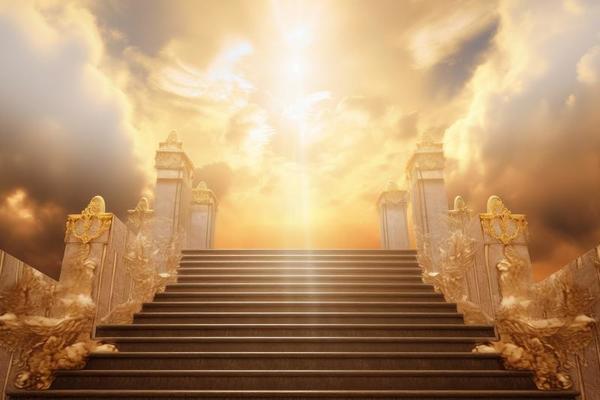
Illuminating the Beyond: Heaven’s Light

bigmagnus.com – In the vast expanse of human imagination, few concepts have captivated the soul quite like the idea of Heaven. This ethereal realm, often depicted as the ultimate destination for the pure of heart, has been a subject of fascination, hope, and inspiration for countless generations. “Heaven’s Light: Illuminating the Beyond” delves into the profound and multifaceted nature of this celestial domain, exploring its various representations across cultures, religions, and personal beliefs.

The Many Faces of Heaven

Heaven is not a singular concept but a tapestry of ideas that have evolved over millennia. From the ancient Mesopotamian paradise of Dilmun to the Christian Heaven with its pearly gates, each culture has woven its own threads into this universal narrative. This article examines the diverse depictions of Heaven, highlighting how these visions reflect the values, fears, and aspirations of their respective societies.

The Role of Heaven in Human Psychology

The concept of Heaven plays a crucial role in human psychology, offering solace in times of grief, motivation to lead a virtuous life, and a sense of purpose beyond the mortal coil. This section explores the psychological underpinnings of our fascination with Heaven, delving into how the idea of an afterlife shapes our behaviors, beliefs, and emotional well-being.

Heaven in Art and Literature

Artists and writers have long been inspired by the enigmatic allure of Heaven, creating works that attempt to capture its essence. From the breathtaking frescoes of the Sistine Chapel to the poetic visions of Dante’s “Paradiso,” this article showcases how Heaven has been depicted in art and literature, serving as a muse for some of humanity’s most profound creative expressions.

The Scientific Perspective on the Afterlife

While the existence of Heaven remains a matter of faith, science has begun to explore the concept of an afterlife from a different angle. This section discusses the latest research into near-death experiences, consciousness after death, and the potential for life beyond our current understanding. It provides a fascinating glimpse into how science and spirituality might one day converge on the question of what lies beyond.

Personal Reflections on Heaven

Ultimately, Heaven is a deeply personal concept, with each individual harboring their own unique vision of the afterlife. This final section invites readers to share their thoughts and reflections on Heaven, encouraging a dialogue that transcends cultural and religious boundaries. It serves as a reminder that, regardless of our diverse beliefs, the yearning for a place of eternal peace and happiness unites us all.

“Heaven’s Light: Illuminating the Beyond” is more than just an exploration of a celestial realm; it is a journey into the human heart, where the light of Heaven shines brightest. Through its pages, readers are invited to ponder the mysteries of the afterlife, to find comfort in the shared human experience, and to envision a world where Heaven’s light illuminates the path for all.