The Royal Carousel: A Feast of Fineries

bigmagnus.com – In the world of royalty, dining is an art form that combines opulence, tradition, and a celebration of culture. The Royal Carousel: A Feast of Fineries invites us to explore the sumptuous banquets that exemplify the splendor of the monarchy. These grand feasts are not only culinary showcases but also symbols of prestige and elegance. In this article, we delve into the intricacies of royal dining, highlighting the extraordinary fare and customs that define these illustrious events.

A Legacy of Opulence: The History of Royal Banquets

Royal banquets have long been a reflection of the monarchy’s affluence and influence. These extravagant events date back centuries, serving as platforms for monarchs to demonstrate their power and hospitality. From medieval feasts to modern-day state dinners, royal banquets have evolved to incorporate contemporary culinary trends while preserving their historical significance.

Exquisite Dishes: The Hallmarks of Royal Dining

  1. Lobster Thermidor

    • A luxurious dish that combines lobster meat with a creamy sauce, Lobster Thermidor is a staple at royal banquets. Its rich flavors and elegant presentation make it a favorite among guests, epitomizing the sophistication of royal cuisine.
  2. Duck à l’Orange

    • This classic French dish, featuring roasted duck with a sweet and tangy orange sauce, is often served at regal feasts. Its balance of flavors and meticulous preparation reflect the culinary artistry expected at The Royal Carousel.
  3. Pavlova

    • Named after the Russian ballerina Anna Pavlova, this delicate dessert is a meringue-based creation topped with fresh fruit and cream. Its light, airy texture provides a refreshing conclusion to a lavish meal, delighting both royals and guests alike.

The Role of Ceremony and Protocol in Royal Feasts

The Royal Carousel is not just about the food; it is an event steeped in ceremony and protocol. Every aspect of the banquet, from the seating arrangements to the order of service, is governed by tradition. These protocols ensure the smooth flow of the event and uphold the dignity of the occasion. The meticulous attention to detail is a testament to the importance of decorum and respect within the royal household.

The Influence of Global Flavors on Royal Menus

While tradition is a cornerstone of royal dining, the influence of global flavors has become increasingly prominent. The royal chefs often incorporate international ingredients and techniques, reflecting the monarchy’s global connections and appreciation for diverse cuisines. This fusion of flavors adds a contemporary touch to the royal menu, appealing to a wide range of palates.

A Celebration of Elegance and Tradition

The Royal Carousel: A Feast of Fineries is a celebration of the elegance and tradition that define royal dining. These grand banquets are more than just meals; they are cultural events that honor the legacy of the monarchy and its role in history. As we explore the fineries of The Royal Carousel, we gain a deeper understanding of the artistry and sophistication that characterize these illustrious feasts, celebrating both the past and present in the world of royal cuisine.
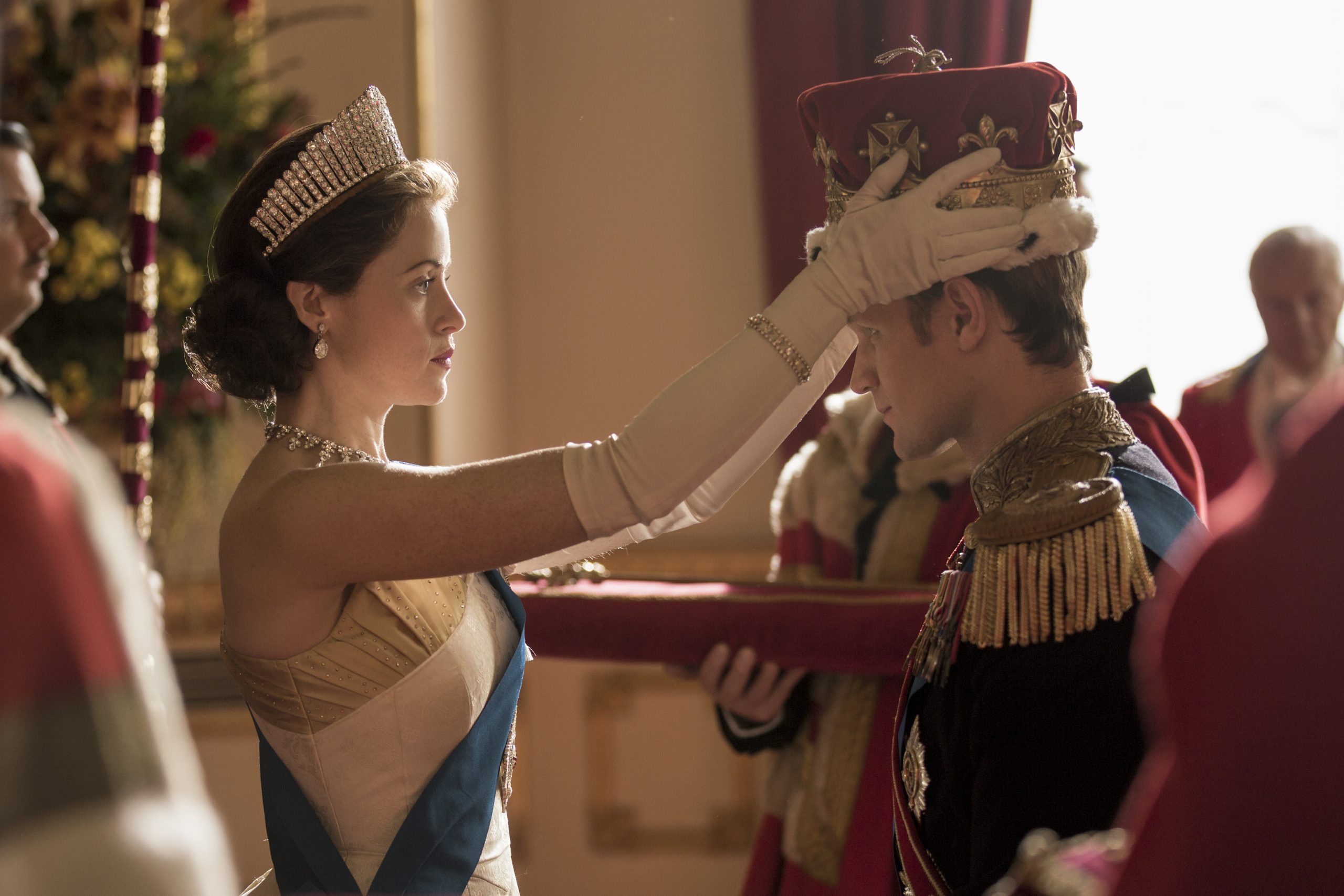
The Royal Tour: Global Journeys of the Crown

bigmagnus.com – The Royal Tour has long been a cornerstone of diplomatic relations and cultural exchange, with members of the world’s reigning royal families embarking on journeys that span the globe. These tours are not mere vacations or sightseeing trips; they are meticulously planned events that serve to strengthen international ties, promote national interests, and foster goodwill among nations. From the United Kingdom’s Queen Elizabeth II to Japan’s Emperor Naruhito, the travels of the crown have captivated the public’s imagination and played a significant role in the geopolitical landscape.

The British Royal Family, with its long history and global influence, has been at the forefront of royal tours. Queen Elizabeth II, during her reign, has undertaken hundreds of state visits and tours, both within the Commonwealth and beyond. Her travels have been marked by a blend of ceremony and modernity, as she has met with heads of state, addressed parliaments, and engaged with local communities. The Queen’s visits have often been seen as a bridge between nations, symbolizing continuity and stability in an ever-changing world.

One of the most iconic royal tours was the Queen’s visit to the Republic of Ireland in 2011, the first by a British monarch in a century. This trip was a historic moment in Anglo-Irish relations, marked by public gestures of reconciliation and a speech in which the Queen acknowledged the suffering caused by Britain’s past actions. The tour was widely regarded as a success, helping to heal old wounds and pave the way for a new era of cooperation.

Other members of the British Royal Family, such as Prince Charles and the Duke and Duchess of Cambridge, have also undertaken significant tours. These have included visits to Commonwealth countries, where they have represented the Queen and engaged with local leaders and communities. The younger generation of royals, including Prince Harry and Meghan Markle before their step back from royal duties, have brought a fresh perspective to royal tours, focusing on issues such as conservation, mental health, and youth empowerment.

In Asia, the royal families of Japan, Thailand, and Malaysia, among others, have also played an important role in international diplomacy through their travels. Emperor Naruhito of Japan, for example, has continued the tradition of royal tours that his father, Emperor Akihito, began. These tours have included visits to neighboring countries and have been aimed at strengthening regional ties and promoting mutual understanding.

The Middle East has seen its share of royal tours as well, with the rulers of countries such as Saudi Arabia, the United Arab Emirates, and Qatar undertaking visits to both regional allies and Western powers. These tours often focus on economic partnerships, security cooperation, and cultural exchange.

The impact of royal tours extends beyond the realms of politics and diplomacy. They also provide a unique opportunity for the public to connect with royalty, offering a glimpse into the lives of their monarchs and fostering a sense of national pride and identity. The media coverage of these tours, which includes everything from the royals’ fashion choices to their engagements with local dignitaries, captivates audiences worldwide and contributes to the enduring fascination with royalty.

In conclusion, the global journeys of the crown are more than just ceremonial visits; they are strategic endeavors that reflect the shifting sands of international relations. Through these tours, royal families continue to play a vital role in diplomacy, acting as ambassadors for their countries and promoting peace, cooperation, and mutual respect among nations. As the world becomes increasingly interconnected, the significance of these royal tours is likely to endure, serving as a testament to the enduring influence of monarchy in the modern age.